January 31, 2026
Case Study: How Our Micro-Perforated Moulds Improved Paneer Block Formation
A paneer manufacturing client of ours was facing challenges at the paneer block forming stage. Although milk quality and the coagulation process were stable, the final paneer blocks lacked consistency.
The main problems appeared during moulding and pressing.
Challenges:
The customer experienced the following issues in daily production:
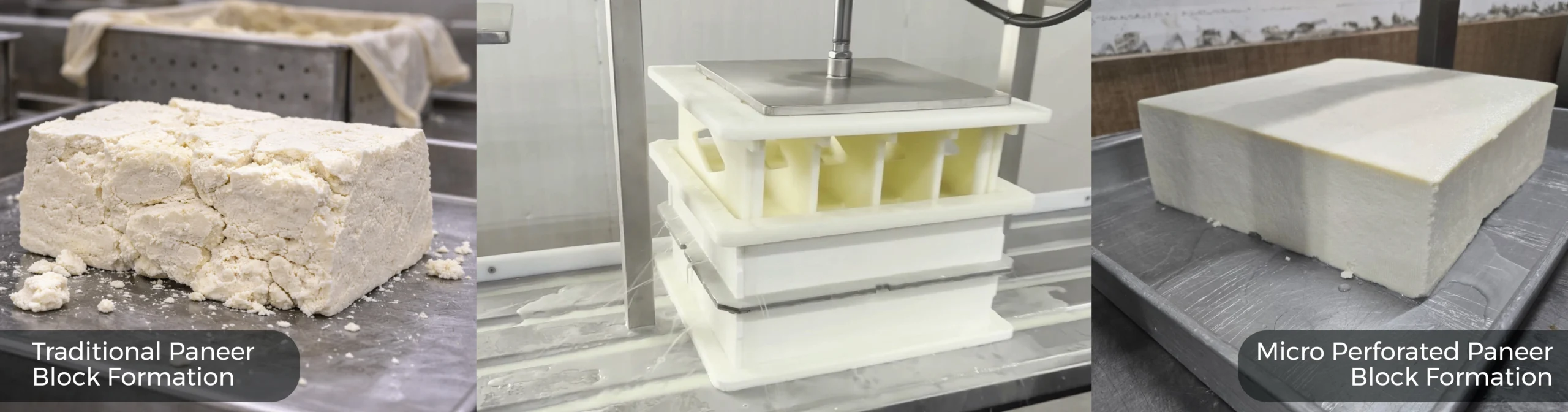
- Paneer blocks were uneven in shape
- Texture was not uniform across the block
- Paneer broke or crumbled during demoulding
- Extra trimming led to material loss
- More labour was required to manage and correct blocks
- Cloth handling increased hygiene concerns
These issues affected both product quality and day-to-day operations.


Our Approach
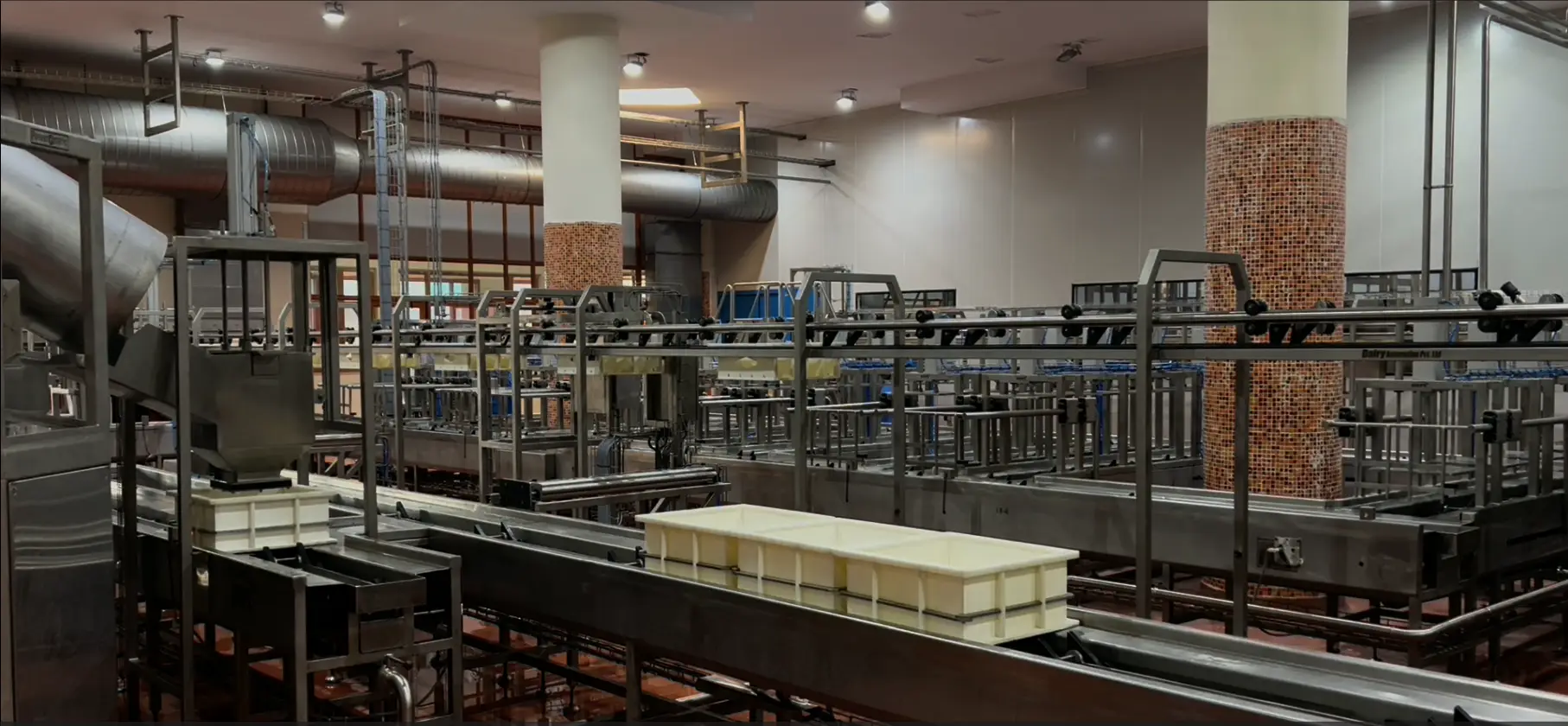
The customer decided to use DAPL paneer moulds to improve the block forming process.
The moulds were designed to:
- Hold the paneer in a fixed shape during pressing
- Allow proper whey drainage
- Maintain uniform block size
- Reduce manual handling
- Support better cleaning and hygiene
The moulds were fitted into the existing process without changing upstream operations.

Learn more about our moulding solutions here:
Moulding Technology
What Changed:
After using the moulds, the paneer block forming process became more stable.
- Blocks came out in a proper and consistent shape
- Texture improved across the entire block
- Breakage during demoulding was reduced
- Less manual work was needed
- Paneer handling became cleaner and simpler
The moulding stage is now a controlled and reliable part of their paneer manufacturing process.


Our View
In paneer manufacturing, block quality depends a lot on how the paneer is formed and pressed. This case shows how the right mould design can help reduce problems, improve consistency, and make daily production easier.